
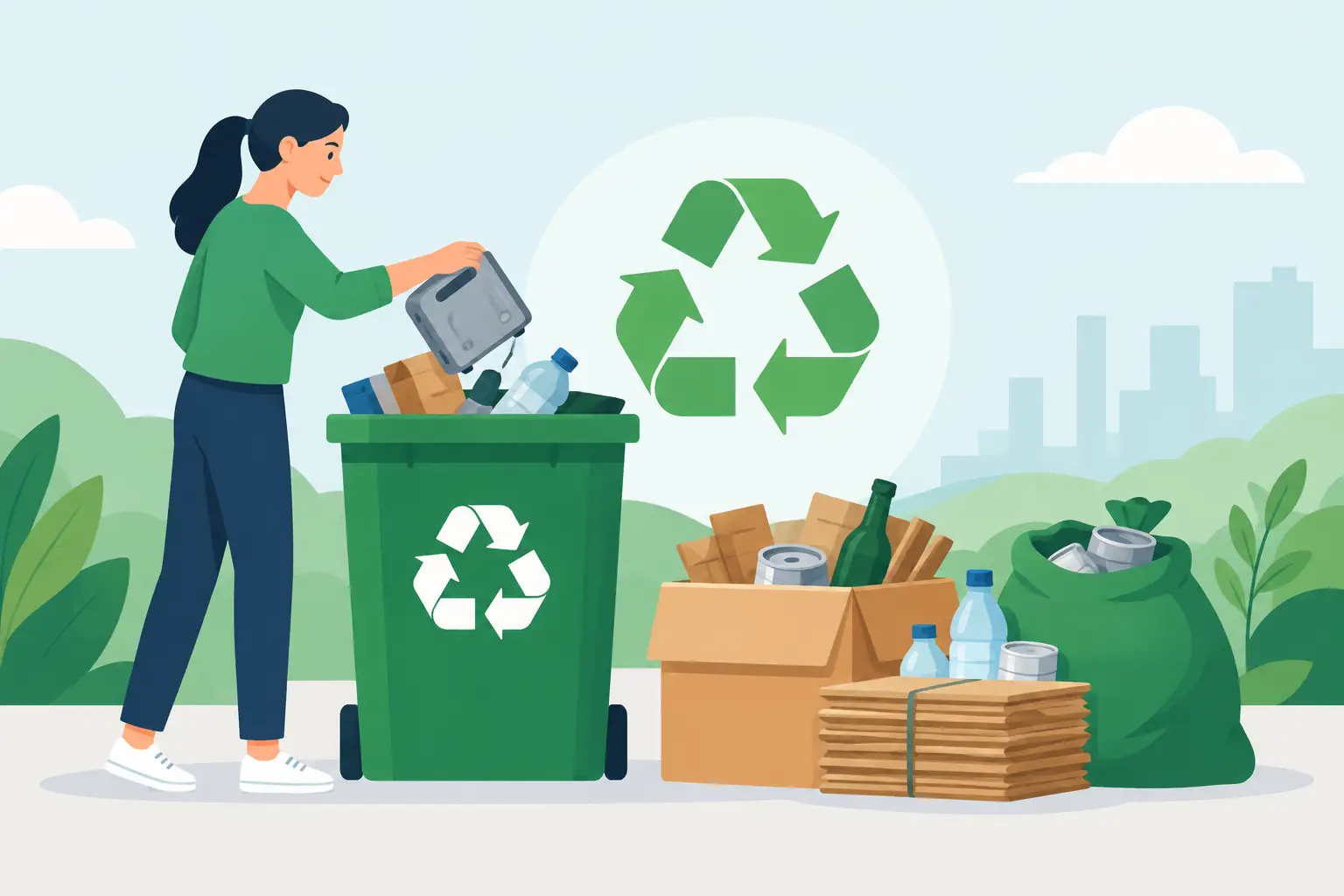
A garage full of old furniture, a broken refrigerator, renovation debris, and a box of outdated electronics do not belong in the same disposal plan. Responsible junk recycling options start with identifying what you have, separating materials that need special handling, and choosing a removal path that fits the condition, volume, and deadline of the job.
For a homeowner clearing space before a move, that may mean arranging a pickup for bulky items and setting aside working goods for donation. For a contractor, it may mean keeping metal, clean wood, cardboard, and construction debris separate enough to support efficient recycling. The goal is practical: clear the property without creating avoidable disposal problems.
Start With the Material, Not the Pile
The word “junk” covers a wide range of materials, and each category has different recycling or disposal requirements. Sorting before pickup helps prevent reusable, recyclable, and regulated items from being treated as ordinary trash.
Furniture is a good example. A couch or mattress may contain fabric, foam, wood, springs, and metal components. If it is clean and in usable condition, donation may be worth considering. If it is torn, heavily stained, pest-damaged, or structurally broken, recycling or disposal may be the more realistic option. Availability varies by local facility and material condition, so it is best not to assume every donation center or recycler will accept it.
Appliances need a different approach. Washers, dryers, ranges, and other large appliances often contain recoverable metal. Refrigerators, freezers, air conditioners, and dehumidifiers require more care because refrigerants must be handled properly before the unit can be processed. Never leave these items at the curb without confirming local collection rules.
Electronics should be separated from general household junk. TVs, computers, monitors, printers, cables, small appliances, and other e-waste can contain metals, glass, batteries, and components that should not go into a standard landfill load. Keeping e-waste in its own group makes the next step clearer and reduces the chance of damage during loading.
Responsible Junk Recycling Options by Item Type
The right option depends on whether an item can be reused, repaired, recycled, or needs compliant disposal. A quick condition check saves time and helps you make better decisions before a crew arrives.
Usable Furniture and Household Goods
Working lamps, clean tables, usable shelving, kitchenware, and intact furniture may be candidates for donation or reuse. This option works best when items are safe, reasonably clean, and complete. A broken dresser missing drawers or a heavily worn sofa is less likely to be accepted, even if it seems too substantial to throw away.
If you are preparing a rental turnover or real estate listing, make the donation decision early. Donation organizations often have their own scheduling limits and acceptance standards. Waiting until move-out day can leave you with a last-minute pile that still needs removal.
Metal and Large Appliances
Metal is one of the more commonly recoverable materials in a cleanout. Bed frames, exercise equipment, patio furniture, shelving, lawn equipment, washers, dryers, and many appliances may contain recyclable metal. Mixed-material items still require sorting at a processing facility, but separating obvious metal pieces from general debris can be useful on larger projects.
For appliances with refrigerant, ask specifically about proper appliance removal. The removal process should account for the unit's regulated components rather than treating it like ordinary scrap. This matters for landlords replacing old units, homeowners remodeling kitchens, and property managers handling multiple appliance swaps.
E-Waste and Batteries
E-waste should be packed separately and protected from moisture when possible. Before recycling a computer, tablet, phone, or storage device, back up what you need and remove personal information. Reset devices when appropriate, but remember that a factory reset may not be enough for every type of sensitive business data.
Loose batteries deserve special attention. Damaged, swollen, leaking, or unmarked batteries can create a fire risk. Keep them out of mixed junk piles, avoid placing them in direct heat, and tell the removal provider about them before scheduling. Commercial customers should also separate devices that may contain customer records or internal files.
Yard Waste and Green Debris
Tree branches, brush, leaves, grass clippings, and clean green waste may be processed differently from household debris. Keep yard material free of plastic bags, treated lumber, fencing, rocks, soil, and general trash when possible. A clean pile is easier to load and more likely to fit available green-waste processing options.
Landscape projects can become complicated when debris includes dirt, concrete, pavers, railroad ties, or pressure-treated wood. These are not interchangeable materials. Let your hauler know what is in the pile so the quote, equipment, and disposal route match the actual job.
Construction and Remodeling Debris
Construction cleanouts benefit from planning before demolition begins. Clean cardboard, metal, untreated wood, concrete, drywall, fixtures, and packaging may each have different handling requirements. Combining every material into one bin or one heap is fast in the moment, but it can limit recovery options and make the site harder to manage.
Contractors do not need to create a perfect sorting system for every small project. The practical approach is to separate the materials that are easy to identify and generate in volume. Keep scrap metal apart, break down cardboard, group clean wood where feasible, and identify hazardous or regulated materials before removal. For older structures, stop work and use qualified professionals if there is any concern about asbestos, lead-based materials, or other hazardous conditions.
When Pickup Is the Better Choice
Recycling facilities, donation centers, and transfer stations can be useful, but self-hauling is not always the most efficient option. A single trip can turn into several when you have mattresses, appliances, furniture, bags of debris, and electronics that each need separate destinations. You also need a vehicle that can safely carry the load, time to unload it, and a plan for items the facility refuses.
A professional junk pickup service is often a better fit when you need labor as well as hauling. This is especially true for upstairs furniture, garage cleanouts, rental turnovers, estate cleanouts, bulky appliances, and active job sites. The crew can remove the items, load them, and clear the area so your property is usable again.
Be clear about what you need when requesting an estimate. Mention stairs, elevators, long carries, oversized items, appliance types, e-waste, construction materials, and whether the items are inside, curbside, or in a backyard. Accurate details help avoid delays and make it easier to identify items that need specialized handling.
Questions to Ask Before You Book
Responsible service is not only about where materials end up. It is also about setting clear expectations before removal starts. Ask whether the provider handles your specific item category, particularly refrigerant appliances, electronics, mattresses, or heavy debris. Confirm whether the estimate is based on volume, labor, weight, item type, or a combination of factors.
For property managers and contractors, ask about scheduling windows, same-day availability, payment documentation, and whether you can receive an itemized record for the job. If access is limited, explain gate codes, tenant coordination, parking restrictions, and job-site safety requirements ahead of time.
No service can guarantee that every item will be recycled. Condition, contamination, local facility rules, and available processing outlets all affect the outcome. A responsible provider should be straightforward about those limits while working to route appropriate materials through reuse, recycling, or proper disposal channels.
Make the Pickup Day Easier
Small steps before the crew arrives can keep the job moving. Remove personal documents, medication, cash, keys, and sentimental items from furniture, drawers, and boxes. Disconnect appliances if needed, clear a safe path to the items, and keep pets and children away from the loading area.
If you have a mixed cleanout, create simple zones: donation candidates, e-waste, appliances, metal, yard debris, and general junk. You do not need to dismantle every item or sort every screw. The point is to give the removal team a clear view of what is present and what may need separate handling.
For Southern California homeowners, landlords, businesses, and contractors, Red Creek Junk Removal can help turn a crowded property or debris-filled site into a workable space with scheduled pickup and recycling-focused handling. The best next move is usually the simplest one: identify the materials, share accurate job details, and arrange removal before the pile becomes another project on your list.