
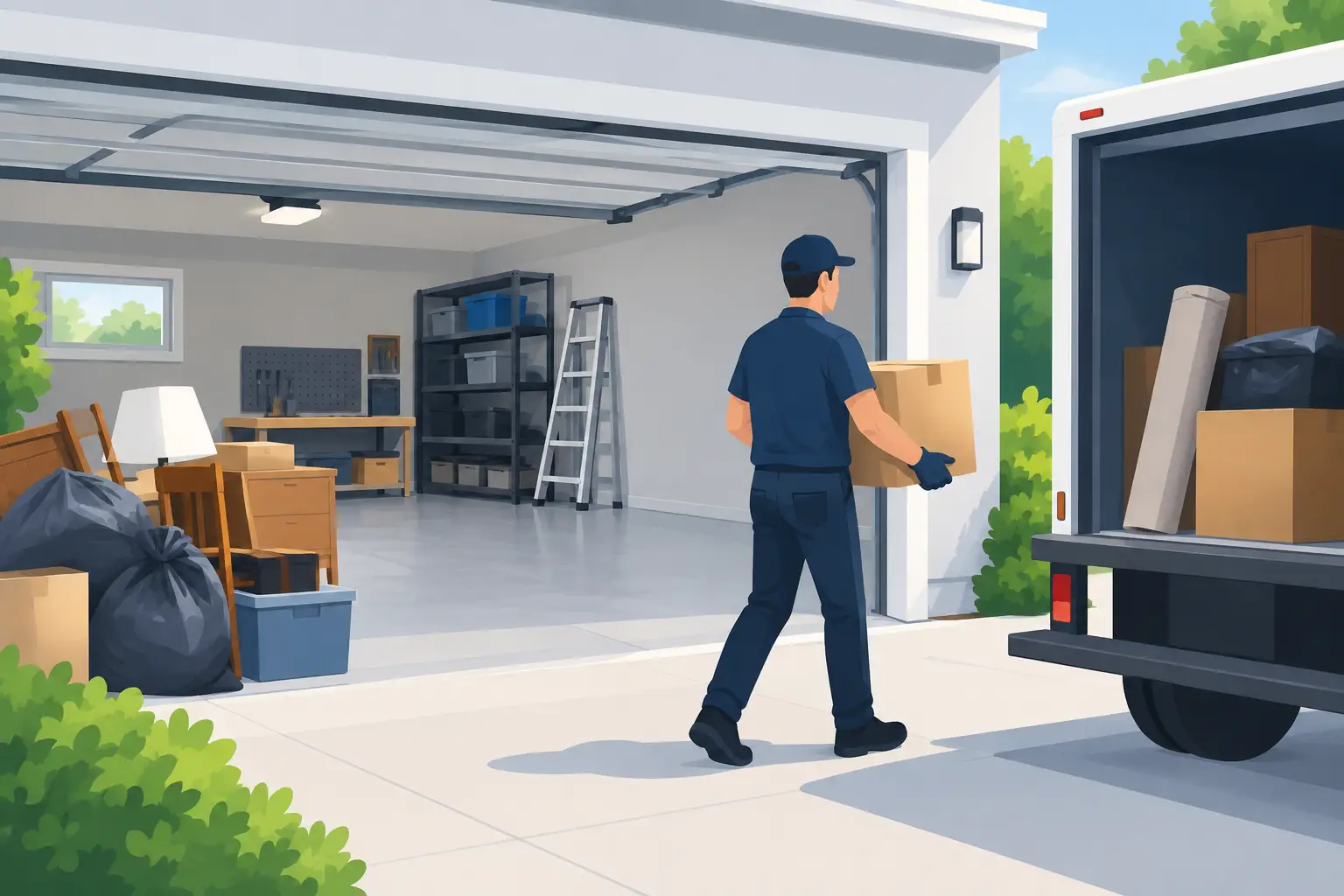
A garage can fill up one box, one broken chair, and one postponed project at a time. Then the day comes when you need room for a car, a workbench, a move, or a property showing. A garage cleanout service gives you a direct way to clear bulky items and unwanted clutter without spending your weekend lifting, loading, and figuring out where everything belongs.
For Southern California homeowners, renters, landlords, property managers, and contractors, the goal is usually not to create a picture-perfect garage. It is to make the space usable again, quickly and with a clear plan for the items that need to leave.
What a garage cleanout service handles
Garage cleanouts rarely involve just one type of item. A typical pickup may include old furniture, mattresses, appliances, cardboard, storage bins, sporting goods, yard debris, e-waste, and general household clutter. Some cleanouts also include leftover materials from a remodel, tenant move-out, or landscaping project.
The practical advantage is labor relief. Instead of carrying a couch down the driveway, trying to fit a worn-out refrigerator into a truck, or making multiple disposal trips, a removal crew loads the approved items and hauls them away. That is especially helpful for heavy, awkward, dirty, or oversized materials that are hard to move safely without help.
The service is also useful when time matters. A real estate listing, inspection, move-out deadline, construction schedule, or incoming delivery can turn garage clutter into a priority. Same-day pickup may be available depending on the schedule, service area, and size of the load.
Start with the outcome you need
A cleanout moves faster when you decide what the garage needs to do next. Maybe you want to park two cars inside. Maybe you need open floor space for tools, holiday bins, or a home gym. A landlord may need the garage cleared before the next tenant arrives, while a contractor may need debris removed so crews can keep working.
You do not need to organize every box before requesting a quote. In fact, waiting until every item has been sorted can delay the job. It is more useful to separate items into three simple groups: keep, remove, and undecided. Move the keep items to one side if possible, identify what should be hauled away, and leave questionable items where the crew can review them with you.
If you are clearing an inherited property or a long-unused garage, give yourself permission to handle decisions in stages. Removing obvious junk and bulky items first often makes the remaining choices easier. Once the floor is visible, you can see what is actually worth storing.
How to prepare for a faster pickup
Most of the work can stay with the hauling team, but a small amount of preparation prevents delays. Make sure there is access to the garage, driveway, gate, or side yard. If a vehicle blocks the load-out path, move it before the appointment when possible.
Take photos of the items you want removed for an accurate quote request. Include wide shots of the garage and closer photos of large items such as appliances, couches, mattresses, exercise equipment, or construction materials. Photos help identify volume, access conditions, and any specialized handling needs before the crew arrives.
Keep personal documents, medication, cash, keys, family photos, and anything you intend to keep out of the removal area. Check cabinets, drawers, toolboxes, coolers, and storage totes before they are loaded. A fast cleanout should not create the headache of replacing something important later.
For larger projects, it also helps to mention stairs, steep driveways, narrow gates, long carry distances, or limited parking. These details do not make the job impossible. They simply help the removal team arrive prepared with the right crew size and equipment.
Items that may need special handling
Not every garage item can go into a standard junk load. Electronics, appliances, tires, paint, chemicals, fuel, batteries, and other regulated materials may have separate disposal requirements. Refrigerators and air-conditioning equipment can also require specific handling because of refrigerants.
Ask about these items when requesting your estimate rather than assuming they are included. A clear item list helps avoid a surprise at pickup and gives the team time to determine the proper disposal route. This is particularly important for garages used as workshops, where old solvents, automotive fluids, pesticides, or partially used paint cans may be stored.
Construction debris can also vary by project. Clean lumber, drywall, tile, concrete, roofing material, and mixed renovation debris may require different pricing or hauling arrangements based on weight and disposal rules. Contractors and property managers should provide a general material breakdown along with photos whenever possible.
When professional removal makes more sense than a DIY dump run
A do-it-yourself cleanout can work for a few bags and small items, especially if you already have a suitable vehicle and know where each material can be dropped off. The trade-off is time. You may need to make multiple trips, pay disposal fees, load and unload heavy items, and work around facility hours.
A professional garage cleanout service is often the better fit when the load includes furniture, appliances, mattresses, e-waste, large quantities of boxes, or mixed debris. It also makes sense when you need the work completed before a deadline or cannot safely lift the items yourself.
The cost comparison should include more than a dump fee. Factor in truck rental or fuel, protective equipment, your labor, the risk of property damage, and the value of getting the garage back in service sooner. For property stakeholders, a cleared garage can help a unit show better, improve access for repairs, and reduce turnover delays.
What happens on cleanout day
The process should be straightforward. The crew confirms the items to be removed, reviews the final scope, and begins loading once the estimate is approved. You can point out specific items, clarify anything marked as undecided, and keep the job focused on what needs to go.
After loading, the crew removes the designated materials and leaves the pickup area swept of loose debris associated with the haul. The exact cleanup level depends on the project and site condition, but the result should be a garage with usable space instead of an empty driveway full of work you still have to finish.
Responsible disposal matters, too. Reusable, recyclable, and regulated items should be handled through the appropriate channels whenever possible. That does not mean every item can be recycled, but it does mean hauling should be more thoughtful than simply treating every load as the same kind of waste.
Make the cleared space stay clear
A garage cleanout is most valuable when it solves the storage problem that caused the pileup. Before moving anything back in, assign simple zones for items you actually use: tools, seasonal items, sports equipment, vehicle supplies, and household overflow. Keep frequently used items within easy reach and store less-used items higher or farther back.
Avoid refilling the garage immediately with boxes you have not opened in years. If an item has no clear purpose, it is usually better to let it go than to create a new obstacle for your future self. For homeowners planning a larger reset, garage makeover support and assembly services can also help turn empty space into practical storage or workspace.
Red Creek Junk Removal can help Southern California customers clear the heavy, unwanted items that keep a garage from working the way it should. Requesting a quote with clear photos and a basic item list is the fastest way to move from a crowded garage to open, usable space.
The best time to schedule a cleanout is before clutter becomes another long-term project. Clear the load, keep what earns its space, and give your garage a job it can actually do.