
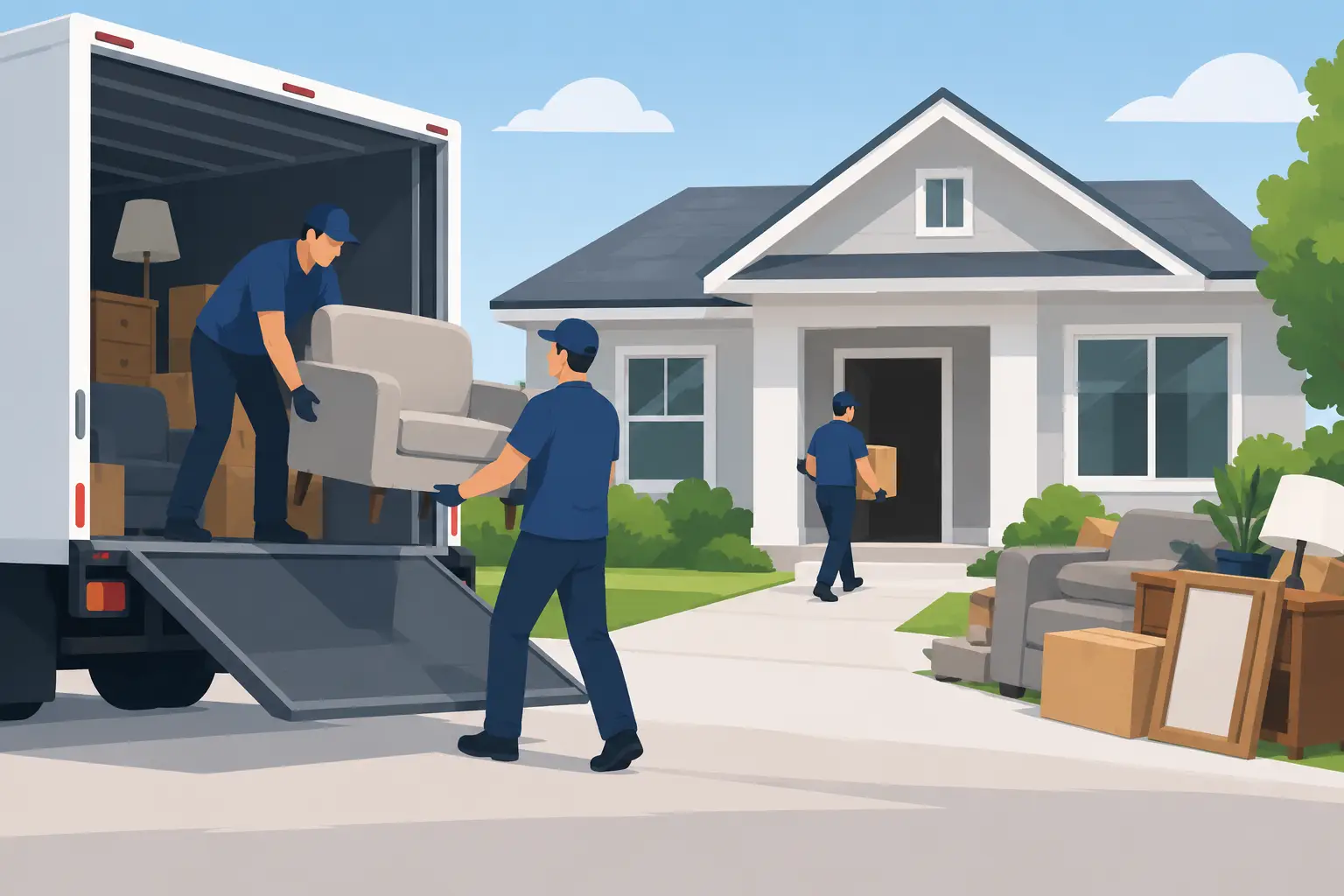
A vacant foreclosure can look simple from the curb, then turn into a full-scale removal job once the door opens. Old furniture, mattresses, appliances, bagged trash, garage contents, yard debris, and abandoned personal items can delay repairs, photos, showings, and listing deadlines. Foreclosure property cleanout services give property stakeholders a direct way to clear the space without coordinating labor, trucks, disposal sites, and heavy lifting on their own.
For lenders, real estate agents, investors, property managers, and landlords, the goal is not just to make a property empty. It is to make it workable again. A clean, accessible property lets contractors assess repairs, allows agents to prepare for listing, and gives the next owner a better starting point.
What foreclosure cleanouts need to accomplish
A foreclosure cleanout is different from a routine household junk pickup. The property may have been vacant for months, the contents may be spread across several rooms, and the exterior can require attention along with the interior. There may also be tight turnaround expectations after possession is obtained.
The first priority is access. Hallways, garages, patios, sheds, and driveways need to be clear enough for inspectors, maintenance teams, and repair crews to move safely. The second is removal capacity. A cleanout provider should be able to handle a mixed load of bulky household items and general debris rather than requiring the customer to sort every item into separate disposal runs.
The third priority is a defined scope. “Clean out the house” can mean very different things. One project may involve a few couches, a refrigerator, and loose garage items. Another may include a packed home, a detached shed, yard waste, and construction debris left from an unfinished repair. Clear photos, a walkthrough, or a detailed item list helps establish an accurate estimate before work begins.
When to schedule foreclosure property cleanout services
Timing matters because removal is often only one part of a larger property-readiness schedule. Cleaning out too late can hold up repairs. Scheduling before legal possession or authorization is confirmed can create a different kind of problem. The right time depends on the property’s status and who is responsible for it.
Once the responsible party has authority to remove contents, schedule the cleanout as early as practical. This gives the property team room to identify hidden damage, evaluate flooring and walls, arrange pest control if needed, and plan painting, landscaping, or renovation work. It also prevents contractors from working around piles of unwanted items.
Same-day pickup can be useful for a smaller, straightforward load or an urgent turnover. Larger homes and heavily filled properties may require more planning, labor, or multiple loads. A reliable provider should set expectations based on the actual volume, access conditions, item types, and deadline instead of promising a one-size-fits-all timeline.
Build the cleanout around the next task
Ask one practical question before booking: what has to happen in the property immediately after removal? If painters are arriving, focus on clearing rooms, closets, and wall access. If exterior photos are needed, prioritize the front yard, driveway, porch, and visible debris. If a contractor is starting a renovation, make sure work areas, garages, and pathways are open.
That approach keeps the job focused on property readiness, not just disposal. It also helps avoid paying for a second visit because a storage room, side yard, or appliance was missed during the first pickup.
Items commonly removed from foreclosed properties
Most foreclosure cleanouts involve a combination of everyday household goods and accumulated debris. Couches, mattresses, tables, dressers, bed frames, appliances, electronics, clothing, boxed items, and general trash are common. Outdoor areas may contain broken patio furniture, bagged leaves, branches, tools, sporting goods, and damaged items left near fences or sheds.
Some materials need special handling. E-waste, appliances, mattresses, and certain construction materials should not simply be treated as ordinary curbside trash. A removal company that understands item categories can route materials through appropriate disposal or recycling channels when available.
Hazardous materials are a separate issue. Paint, chemicals, fuel, propane tanks, biohazards, unknown liquids, and items that could create a safety risk may require specialized handling or a different disposal process. Be direct about anything unusual at the property when requesting an estimate. A clear description protects the crew, helps avoid day-of-job delays, and makes it easier to determine what can be removed during the visit.
A better process for agents, lenders, and property managers
The fastest cleanouts usually start before the truck arrives. Gather the property address, access instructions, deadline, and a realistic view of the load. Photos of each room, the garage, the backyard, and any detached structures are especially useful. They show volume, stair access, narrow hallways, oversized items, and whether the job includes loose debris or only large pieces.
If the property has a lockbox, gate code, onsite contact, or restricted access window, provide those details upfront. Crews lose valuable time when they cannot enter the property or when a vehicle cannot reach the loading area. For multifamily properties, confirm parking rules, elevator access, and any required management approval.
It is also helpful to identify what stays. Sometimes a bank, investor, or incoming owner wants certain fixtures, appliances, or documents left in place. Mark those items clearly or remove them from the work area before the crew begins. A clean instruction such as “remove everything except the stove, built-in shelving, and labeled file box” is far more useful than making decisions room by room during the pickup.
Why cheap disposal can become an expensive delay
A low price can look attractive when a property is full, but incomplete or poorly managed removal often creates extra work. A crew may take only visible items, leave the garage untouched, refuse an appliance that was not disclosed, or fail to clean up loose debris after loading. The property still is not ready, and the stakeholder now has to schedule another vendor.
The better value is clear communication, accurate scope, dependable arrival, and removal that matches the agreed job. That does not always mean every project needs the largest possible crew or the fastest possible appointment. A smaller cleanout may only need a standard pickup. A large estate-style property, however, may require a planned removal sequence to keep the work safe and efficient.
For Southern California property teams, Red Creek Junk Removal can help remove unwanted household items, appliances, furniture, yard debris, e-waste, and general cleanout materials so the next stage of the property plan can move forward.
Keep documentation simple and useful
Foreclosure work often involves more than one decision-maker. An asset manager may approve the expense, a local agent may coordinate access, and a contractor may need the space cleared before work starts. Keep a simple record of the approved scope, estimate, scheduled service date, and any items excluded from removal.
Before-and-after photos can also be useful for internal reporting, especially when the property owner or manager is not local. They provide a quick record that rooms, exterior areas, and access points were cleared. This is not about creating extra paperwork. It is about preventing uncertainty once the property changes hands or the repair team arrives.
Prepare the property for a clean handoff
After the last load leaves, walk the property with the next task in mind. Check closets, cabinets, garages, sheds, patios, and side yards. Confirm that utilities, keys, lockboxes, and entry points are handled by the appropriate party. If the property needs a deep clean, repairs, or pest service, schedule those steps in the order that prevents crews from working around one another.
A foreclosure property does not need a complicated recovery plan. It needs a clear scope, authorized access, the right removal capacity, and a crew that can get unwanted material out of the way. When the cleanout is handled early and organized around the next step, the property becomes easier to inspect, repair, market, and turn over.