
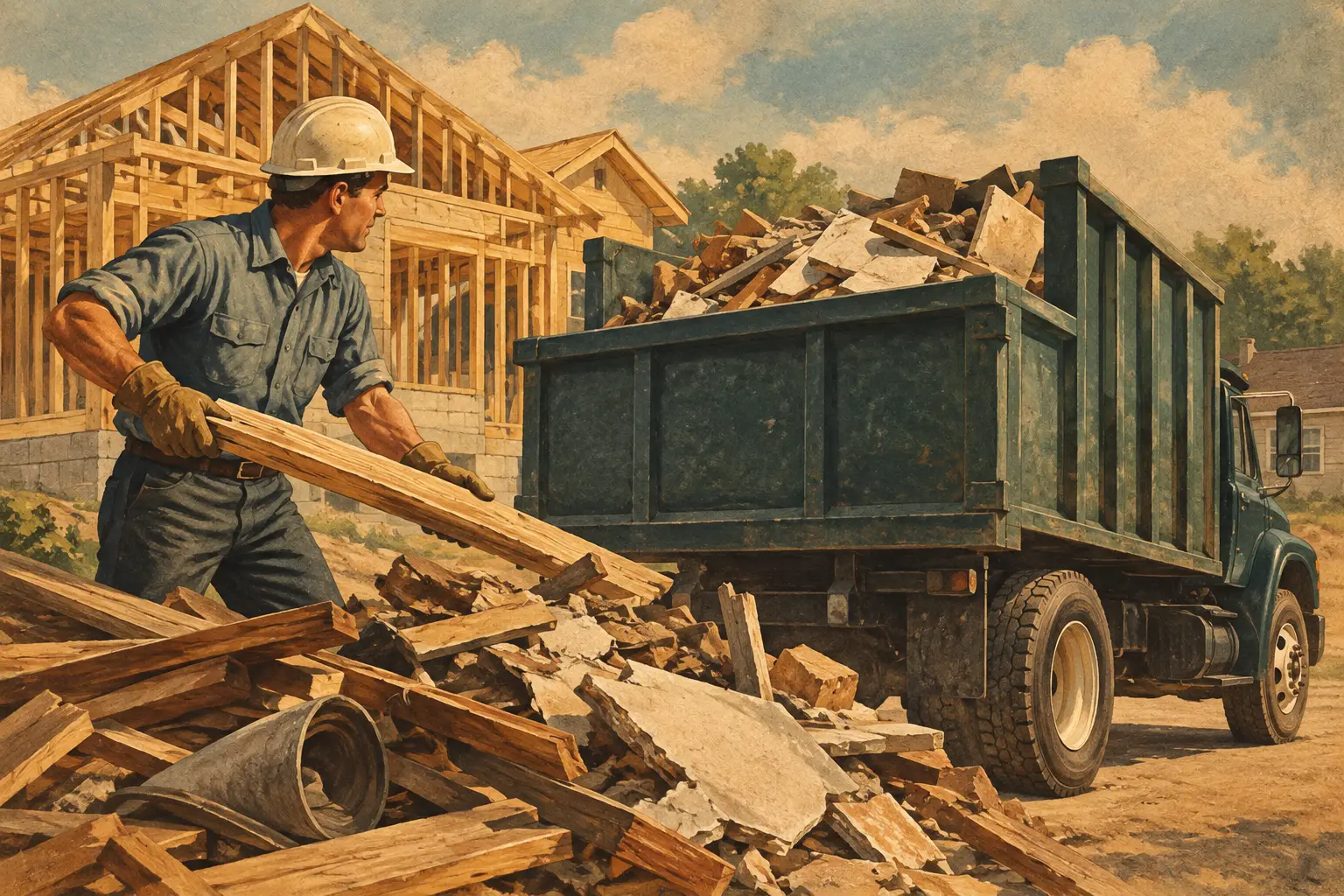
A full dumpster, a blocked driveway, and a crew waiting for room to work can cost more than a debris pickup. Construction debris pickup for contractors keeps the jobsite usable between phases, protects the property from avoidable damage, and gives your team a clear place to stage materials, tools, and the next delivery.
For remodels, turnovers, roofing work, tenant improvements, and small commercial projects, debris removal is not an afterthought. It is part of keeping the schedule moving. The right hauling plan depends on what you are removing, how quickly the site changes, and whether you need one final cleanout or recurring pickups throughout the job.
When Contractors Need Debris Pickup
Contractors often call for removal at two points: when demolition debris begins slowing the crew down and when the project is close to handoff. Both are valid, but waiting until the end is not always the lowest-cost or most efficient option.
A mid-project pickup can clear out broken drywall, lumber cutoffs, old cabinets, flooring, packaging, and other materials before they spread across the work area. That matters in occupied homes, tight urban properties, apartment turns, and sites with limited parking. A cleaner work zone also makes it easier to see what materials are still usable and what needs to leave.
Final-stage removal has a different purpose. At that point, the priority is presenting a property that is ready for the owner, tenant, inspector, buyer, or next trade. The pile may include abandoned materials, old fixtures, appliances, carpet, yard waste from exterior work, or bulky items left behind during a move-out.
Same-day availability can be especially useful when a delivery is arriving, a client walkthrough is scheduled, or a property manager needs the area cleared before another vendor comes onsite. It depends on the load and scheduling availability, but fast pickup gives contractors a practical alternative to letting debris sit for days.
What Can Be Removed From a Construction Site
Every project produces a different mix of debris. A kitchen remodel may generate cabinets, countertops, appliances, cardboard, and broken tile. A flooring project may create carpet, padding, laminate, baseboards, and packaging. A property turnover can involve construction scraps alongside furniture, mattresses, e-waste, and general unwanted items.
A hauling crew can typically remove common non-hazardous construction and cleanout materials, including lumber, drywall, tile, fixtures, doors, cabinets, carpet, cardboard, scrap material, and jobsite packaging. Bulky items such as couches, appliances, and mattresses can also be handled when they are part of the cleanup.
The key is to identify the load before pickup. Certain items require special handling or cannot be accepted with general debris. Paint, solvents, fuels, chemicals, asbestos-containing materials, and other hazardous waste need a separate disposal path. If you are unsure about an item, include it when requesting a quote rather than adding it to the pile at the last minute.
Dumpster Rental or Debris Pickup?
Dumpster rental works well for larger, predictable demolition jobs where debris is generated steadily over several days or weeks. You have a container onsite, and the crew can load as they go. The trade-off is that the dumpster takes up space, may require placement planning or permits, and can become a target for unauthorized dumping.
On-demand construction debris pickup is often a better fit for smaller projects, punch-list work, property turns, scattered debris piles, and jobs where access is limited. Instead of arranging the container, loading it, and coordinating its removal, your crew can stage the approved material for hauling. The removal team handles the lifting, loading, transportation, and disposal coordination.
For many contractors, the best approach is not one or the other. A major demo may justify a dumpster, while a final pickup handles leftover materials, old appliances, packaging, and items the dumpster cannot take. The right choice comes down to volume, duration, site access, and how much labor you want your crew spending on cleanup.
Plan Pickup Around the Work Schedule
The easiest construction cleanup is the one planned before the pile becomes a problem. When you request a quote, provide the job address, photos if available, the material types, an estimated volume, and the timing you need. Clear details make it easier to receive an accurate project-specific estimate and schedule the right removal capacity.
Keep Debris Accessible
Stage debris in a safe, reachable area whenever possible. Avoid blocking sidewalks, exits, gates, neighboring driveways, or active work paths. Separate materials that are still needed from items approved for disposal. This prevents costly mistakes, especially when new materials and demo debris look similar from a distance.
If the site has access restrictions, let the hauling provider know ahead of time. Narrow driveways, stairs, gated communities, parking limits, occupied units, and commercial loading requirements all affect how a pickup is completed.
Set a Clear Scope
A quick walkthrough or photo review can prevent confusion. Tell the crew whether they are removing only the staged pile or also collecting items from inside the structure, garage, backyard, or side yard. If there are heavy items, sharp materials, or loose debris, mention that as well.
This is where digital quoting helps contractors stay organized. A documented estimate, clear checkout process, and order tracking reduce the back-and-forth that can hold up a busy project manager. Your office can arrange service while the field crew stays focused on the work.
Protect the Jobsite and the Crew
Construction debris creates real safety and productivity issues. Loose nails, broken tile, exposed glass, splintered lumber, and uneven piles increase the chance of injuries and make cleanup harder later. Material that sits outside can also get wet, blow into neighboring areas, or create complaints from tenants and nearby property owners.
Regular removal supports better site control. It gives trades room to work, helps maintain access for inspections and deliveries, and keeps the property closer to presentation-ready throughout the project. On an occupied renovation, that can be the difference between a manageable workday and a frustrated client calling about blocked access or debris in a shared space.
Contractors should still keep their own site safety practices in place. Secure sharp objects, contain loose materials, and make sure debris designated for pickup is separated from tools, ladders, reusable fixtures, and client property. A hauling crew can remove the load efficiently, but a clear staging area keeps the process safer for everyone.
Disposal Matters After the Truck Leaves
Fast removal should not mean careless disposal. Construction and cleanout loads often contain materials that can be separated for recycling or directed to the appropriate facility. Cardboard, metals, appliances, e-waste, and some reusable items may require different handling than general mixed debris.
That does not mean every item can be recycled, and it does not mean sorting is always practical on a fast-moving job. Still, working with a removal company that takes a recycling-focused approach gives contractors a more responsible option than treating every load as landfill material.
Red Creek Junk Removal provides contractors with a practical option for debris hauling across its Southern California service areas, including project-specific quotes and same-day pickup when available. That is useful when the job calls for labor, hauling, and disposal coordination without adding another task to your crew's day.
A Better Handoff Starts With a Clear Site
The final cleanup is one of the last things a client sees, but it affects how they judge the entire project. Clear away the debris before the walkthrough, not after someone asks about it. With pickup scheduled around the actual work sequence, your crew can finish in an organized space and move on to the next job without hauling yesterday's mess along with them.